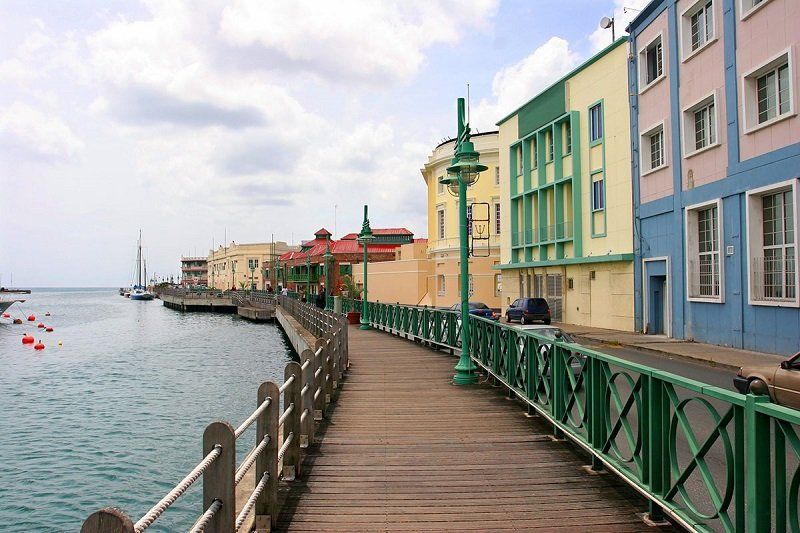
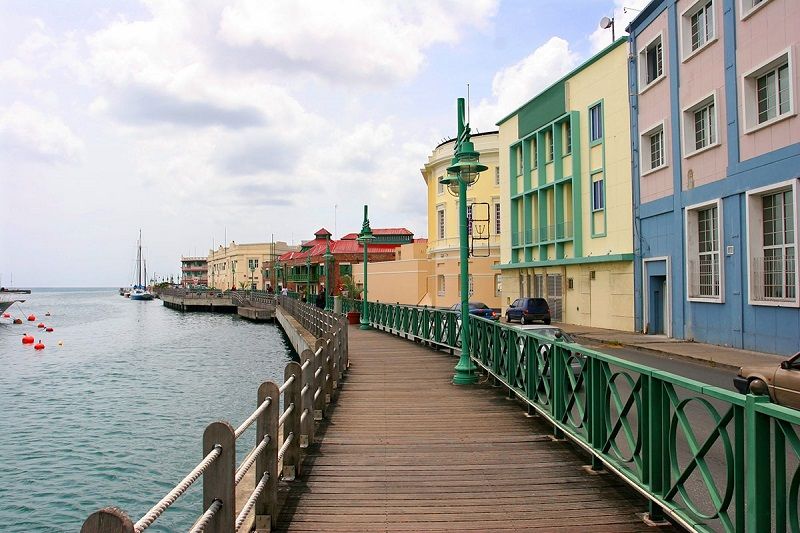
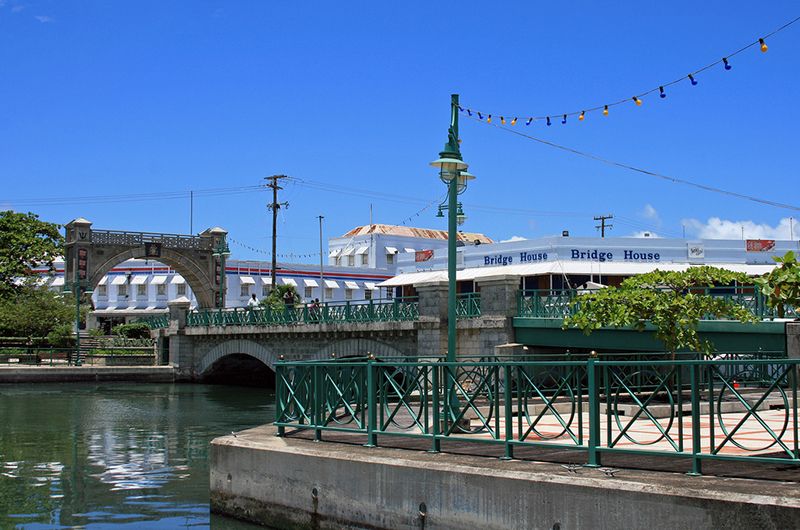
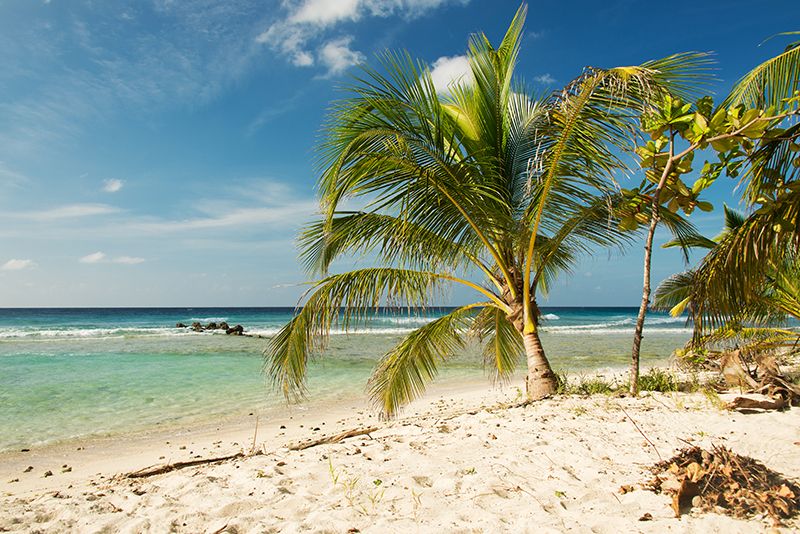
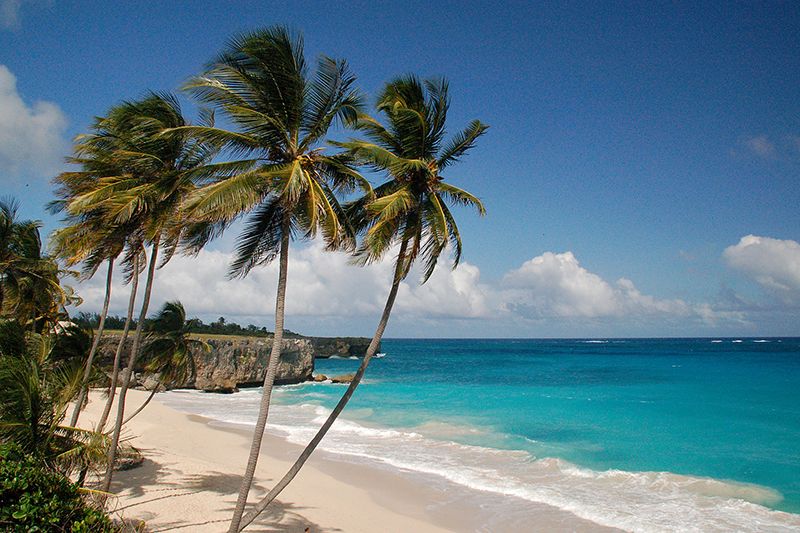
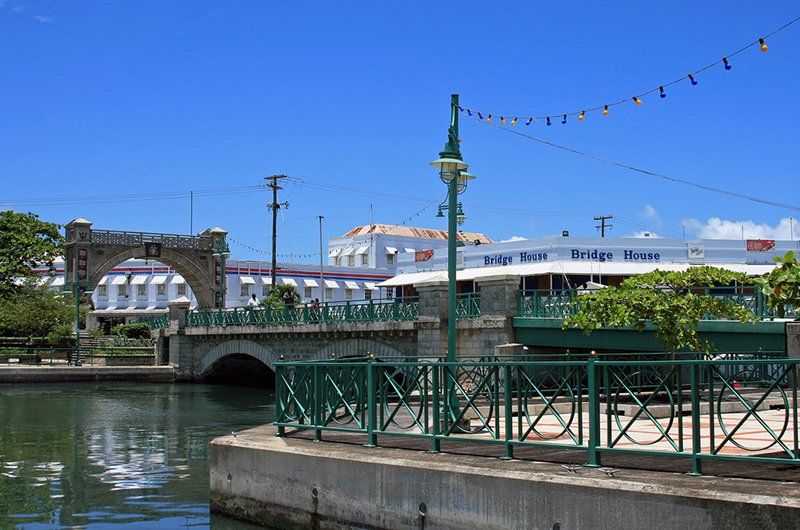
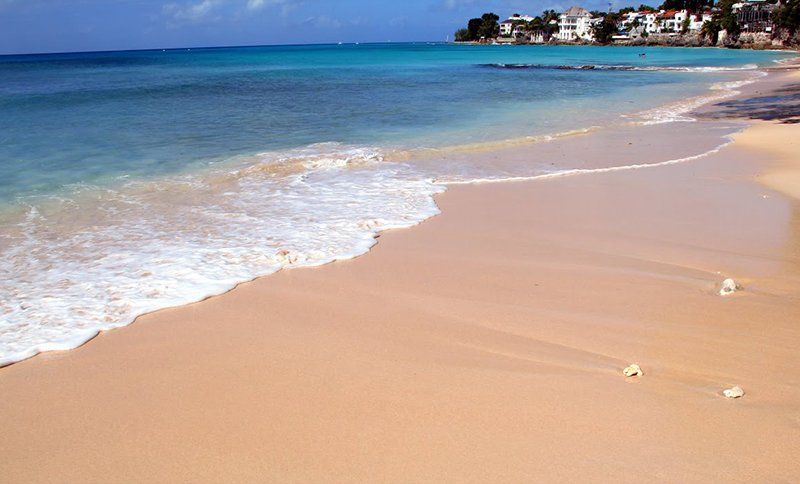
Bridgetown is the capital of the independent island country of Barbados, which is part of the British Commonwealth. It is located in the southern part of the country’s west coast, in the parish of Saint Michael. The city stands on the shore of Carlisle Bay along the delta of the Constitution River. Literally, the capital’s name translates as “bridge town,” which is explained by its location on the shore of a narrow sea bay that cuts the center of the city in two. Since ancient times, two bridges have been built across the bay-Chamberlain Bridge and Charles O'neal Bridge-leading to the city’s two main markets: Fairchild Market and Cheapside Market.
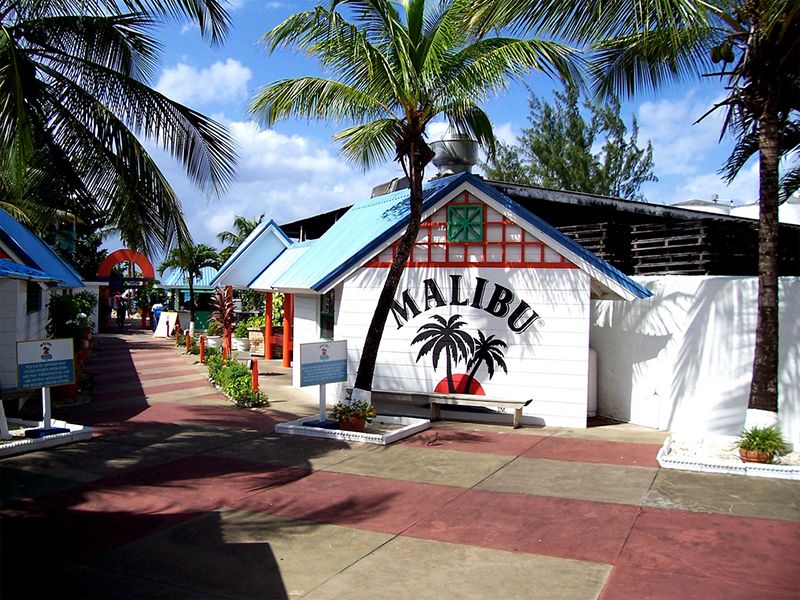
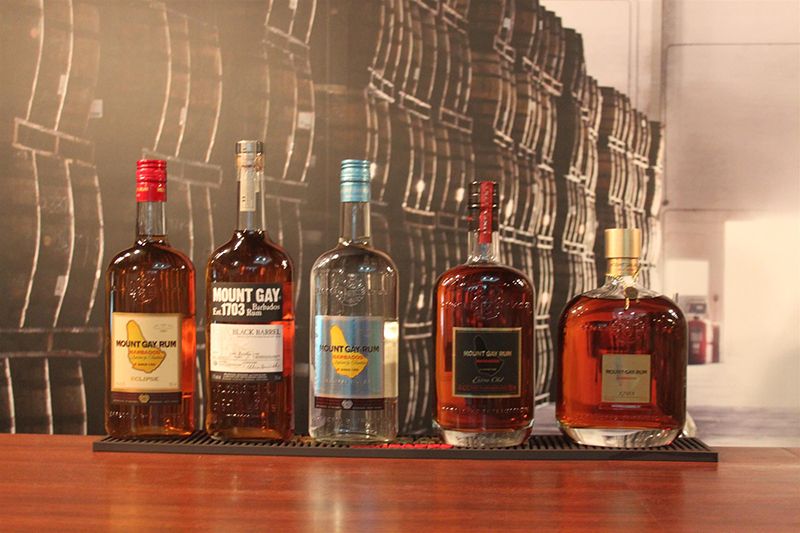
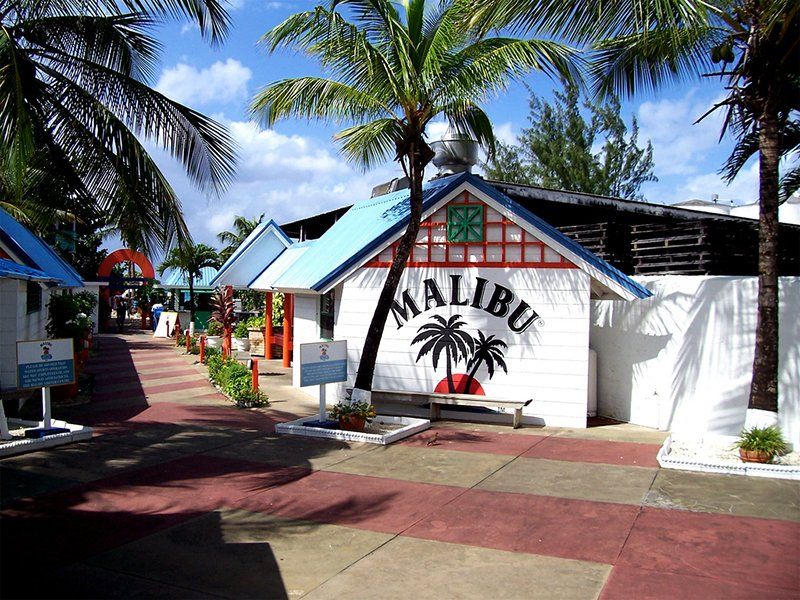
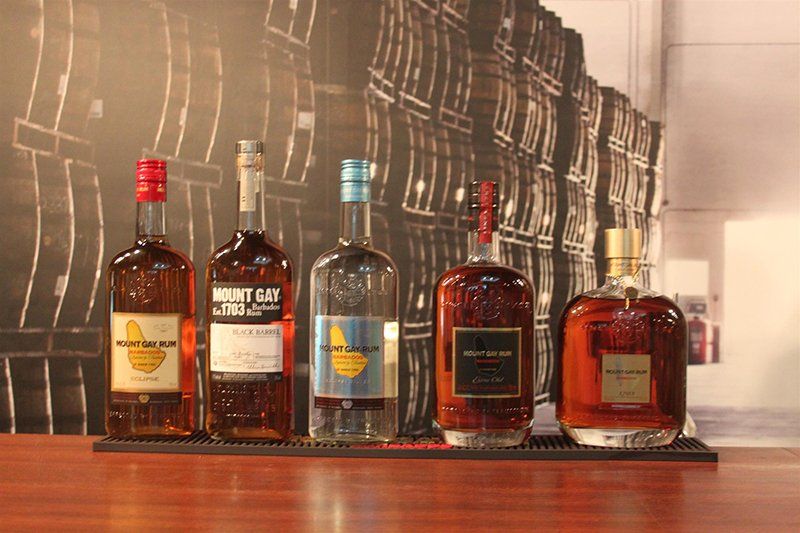
Bridgetown is a small town with a population of just 80,000 people, featuring a colorful settlement built with houses in a style that resembles a blend of colonial and modern trends, with narrow lanes, rum shops, and cozy cafés.
The city was founded in the first half of the 17th century and for a long time served as a center of the slave trade in the West Indies. Only in 1966 did the city gain the status of the capital of the independent state of Barbados. Bridgetown’s economy began to develop quite rapidly after the construction in 1961 of an artificial harbor accessible to ships with deep drafts. Thanks to this, the city turned into the country’s main port. By 1970, tourism took the lead in the capital’s economy, pushing aside the processing of sugarcane.
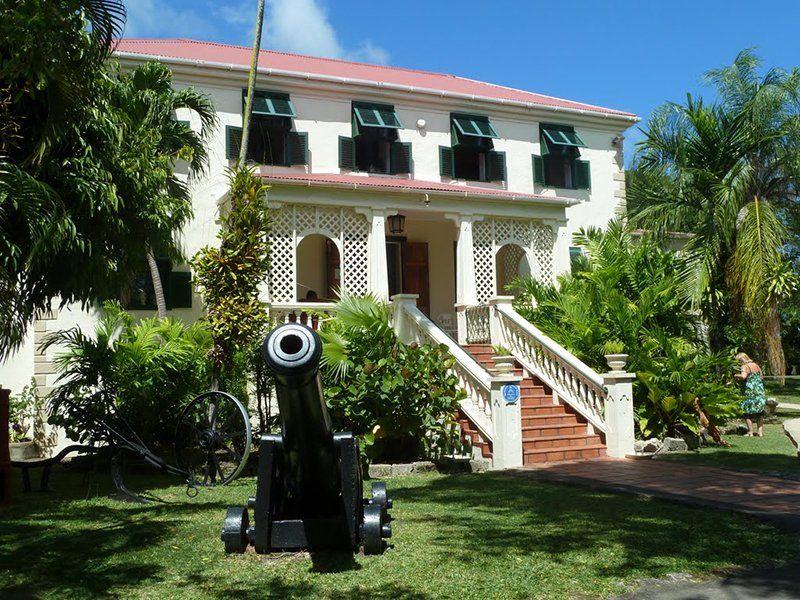
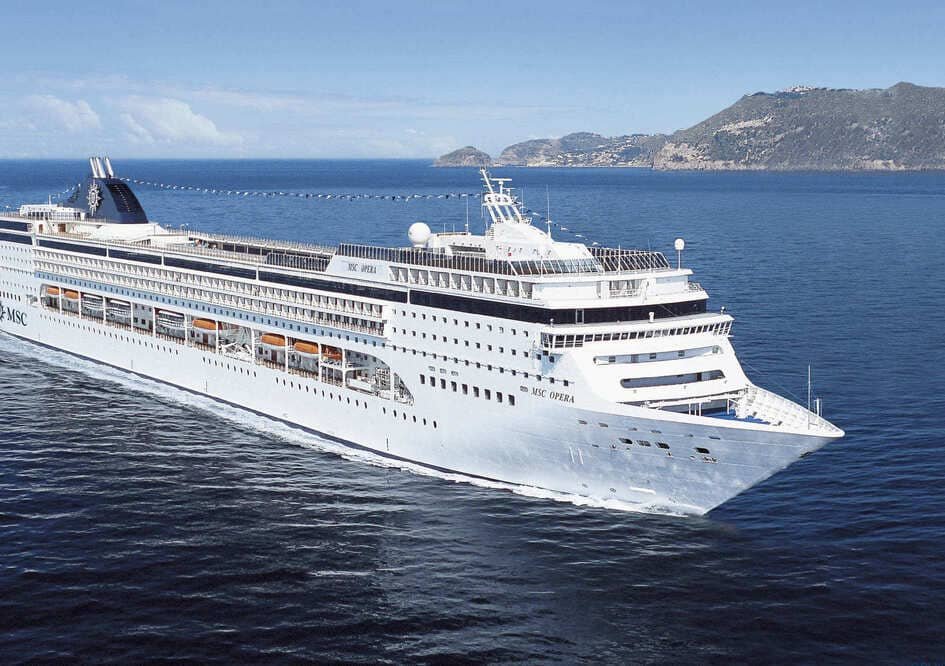
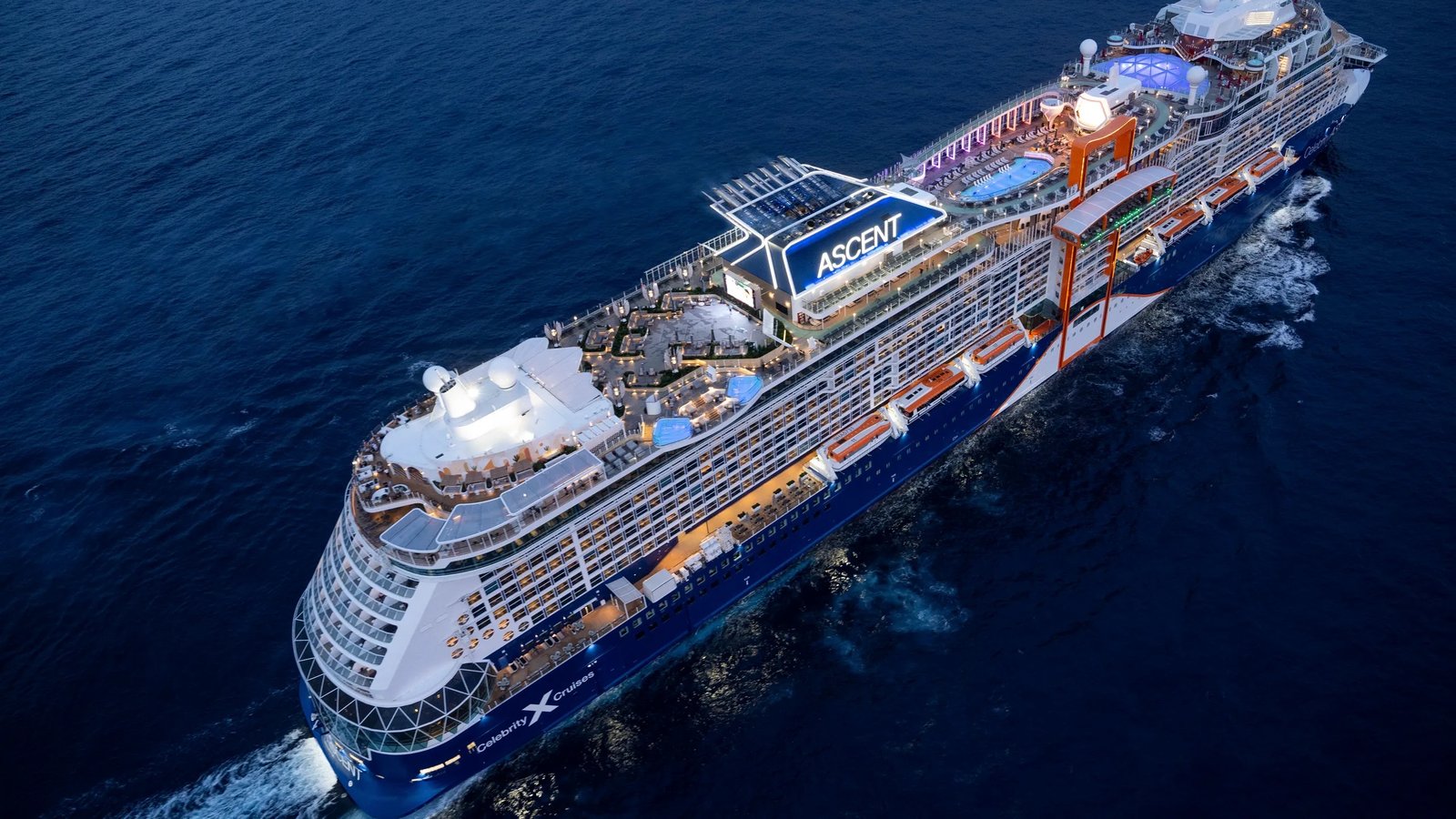
Bridgetown’s popularity was driven by luxurious duty-free shopping, regular visits by cruise ships, and historical landmarks that turned the city into a small tropical copy of London. It is in the capital of Barbados that the country’s most interesting architectural attractions are located.
Bridgetown is a paradise for shopping lovers. The city is known for its many duty-free shops. In addition to Broad Street, the main shopping thoroughfares of Bridgetown are Swann Street, Roebuck Street, and Tudor Street.
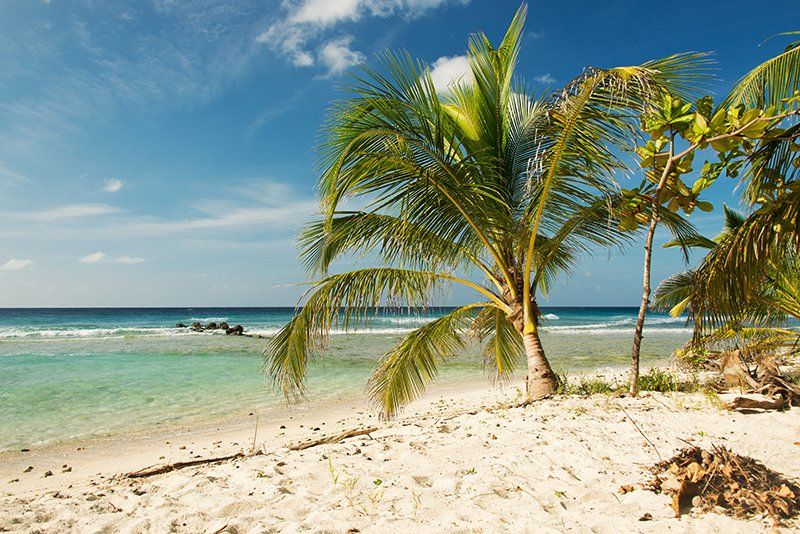
ClimateThe city’s climate is among the best across the entire West Indies. The average air temperature is considered to be +27 ºC. Between June and October, about 75% of the annual precipitation falls. The wettest month of the year is July. It is at this time that the highest likelihood of passing typhoons and hurricane-force winds occurs, although Barbados is not in the hurricane zone and lies right on its edge. The optimal time to visit the capital is from February to May.